
Occupational Therapy
Occupational Therapy for Children in Hyderabad
Helping Children Develop the Skills Needed for Everyday Success
Every child learns, plays, and interacts with the world differently. Some children may face challenges with attention, sensory processing, handwriting, self-care skills, coordination, play, or participation in daily
activities.
At Eleve Therapy Hub, our Occupational Therapy services help children develop the skills needed to become more independent, confident, and successful at home, in school, and in everyday life.
Through individualized, evidence-based intervention programs, we support children in improving sensory regulation, motor development, attention, self-care abilities, social participation, and functional independence

What is Occupational Therapy?
Occupational Therapy (OT) helps children develop the physical, sensory, cognitive, emotional, and functional skills needed to participate in daily activities. The goal is not simply to improve isolated skills but to help children successfully engage in meaningful activities such as learning, playing, communicating, dressing, eating, writing, and interacting with others. Occupational therapy focuses on helping children reach their highest level of independence and participation.
Does My Child Need Occupational Therapy?
Your child may benefit from Occupational Therapy if they experience:
Sensory Processing Difficulties
- Overreaction to sounds, touch, textures, lights, or movement
- Constant movement seeking
- Difficulty remaining seated
- Sensitivity during grooming or dressing
- Difficulty tolerating certain foods or textures
Fine Motor Difficulties
- Poor pencil grip
- Difficulty coloring or writing
- Challenges using scissors
- Difficulty with buttons and zippers
- Hand weakness
Attention & Regulation Challenges
- Easily distracted
- Difficulty completing tasks
- Hyperactivity
- Impulsivity
- Poor self-regulation
Gross Motor Challenges
- Poor balance
- Frequent falls
- Difficulty running, jumping, or climbing
- Poor coordination
Daily Living Skill Difficulties
- Dressing independently
- Feeding skills
- Toileting routines
- Personal hygiene
- Organization skills
School Readiness Concerns
- Difficulty sitting for activities
- Trouble following classroom routines
- Poor participation in learning activities
- Difficulty with handwriting tasks
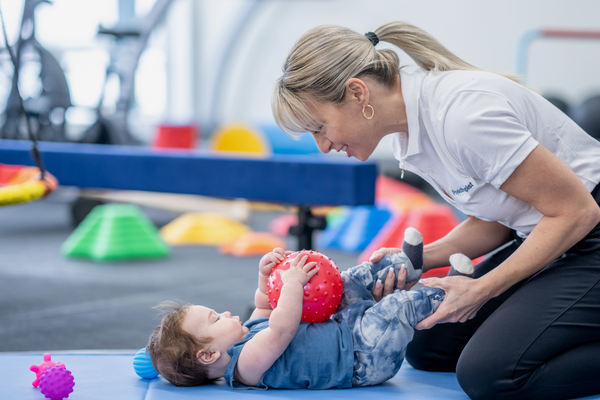
Conditions We Commonly Support
Occupational Therapy can benefit children with:
- Autism Spectrum Disorder (ASD)
- ADHD
- Developmental Delay
- Global Developmental Delay (GDD)
- Sensory Processing Challenges
- Learning Difficulties
- Motor Coordination Difficulties
- Behavioral Regulation Challenges
- School Readiness Concerns
- Fine Motor Delays
Schedule an Autism Consultation Today
Areas We Work On
Sensory Integration & Sensory Processing Helping children understand, process, and respond more effectively to sensory information from their environment. Children learn strategies that improve attention, regulation, participation, and daily functioning
Fine Motor Skills
Developing hand strength, coordination, pencil control, manipulation skills, and visual-motor integration required for school and everyday activities.
Handwriting Skills
Improving pencil grip, letter formation, spacing, speed, legibility, and written expression skills.
Attention & Self-Regulation
Helping children improve focus, task completion, emotional regulation, and participation in structured activities.
Play Skills
Play is an important part of development. Therapy helps children build imagination, social interaction, problem-solving, and engagement skills through meaningful play experiences
Activities of Daily Living
Supporting independence in dressing, feeding, grooming, toileting, and other everyday activities that promote confidence and self-sufficiency.
School Readiness Skills
Improving planning, organization, flexibility, time management, and problem-solving abilities. Building foundational skills needed for successful participation in preschool and school environments.
Our Occupational Therapy Approach

Comprehensive Assessment
We evaluate sensory processing, motor skills, attention, self-regulation, daily living skills, play skills, and participation.
Individualized Goal Planning
Therapy goals are developed based on your child's developmental profile and family priorities.
Child-Centered Intervention
Sessions are engaging, purposeful, and designed around each child's interests and needs.
Family Collaboration
Parents receive practical strategies and home recommendations that support progress beyond therapy sessions.
Regular Progress Monitoring
Goals are reviewed regularly to ensure continuous growth and meaningful outcomes.

Benefits of Behavior Therapy
Occupational Therapy can help children:
- Improve attention and concentration
- Develop sensory regulation skills
- Strengthen fine motor abilities
- Improve handwriting and classroom participation
- Increase independence in daily activities
- Enhance social participation
- Improve emotional regulation
- Build confidence and self-esteem
- Develop school readiness skills
- Improve overall participation in everyday life
Why Choose Eleve Therapy Hub?
Specialized Child Development Team
Our Occupational Therapists collaborate with Speech Therapists, Behavioural Therapists, Special Educators, and Psychologists to provide integrated care.
Personalized Therapy Plans
No two children are alike. Every intervention program is tailored to individual strengths and developmental needs.
Family-Centered Care
Parents are actively involved in the therapy process and are empowered to support development at home
Evidence-Based Practice
Interventions are guided by current clinical knowledge and child development principles
Child-Friendly Environment
Therapy sessions are fun, motivating, and designed to encourage participation and learning.
Frequently Asked Questions
What age can Occupational Therapy begin?
Occupational Therapy can begin whenever developmental concerns are identified, including during the early years of development.
My child has sensory issues. Can Occupational Therapy help?
Yes. Occupational Therapy often supports children who experience challenges with sensory processing and sensory regulation.
Does Occupational Therapy help with handwriting?
Absolutely. Handwriting development is one of the common areas addressed through Occupational Therapy
How many sessions will my child need?
The frequency and duration of therapy depend on your child’s goals, strengths, and developmental needs.
Will parents receive home activities?
Yes. Parent guidance and home strategies are an important part of our intervention approach.
Helping Every Child Become a Confident Learner
Learning should be a positive and empowering experience. With the right support, guidance, and opportunities, every child can continue to develop new skills and achieve meaningful progress
