
Introduction to Child Development
Child development is the process by which children grow and learn new skills. It covers physical, mental, social, and emotional changes from birth to adulthood. Because early childhood development shapes a child’s future, it is important for parents to know what to expect. Early support can make a big difference in a child’s life.
Typical Developmental Milestones
Children reach certain skills, called milestones, as they grow. These milestones help track progress in different areas. While every child is unique, most follow a similar path. Below are some common milestones:
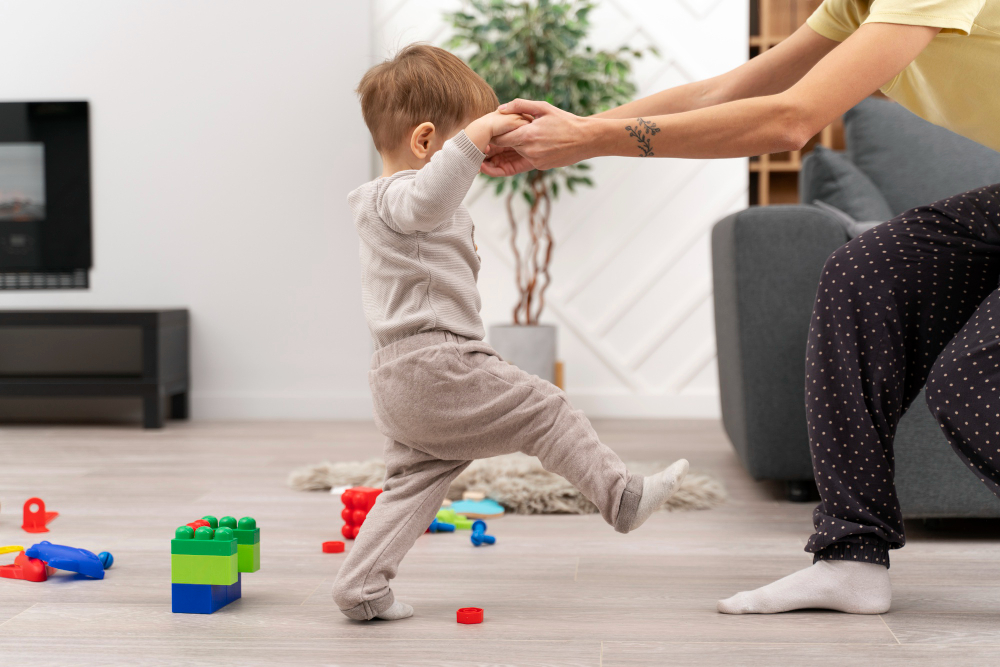
For example, most babies start to walk around 12 months. However, some may walk earlier or later. The CDC and WHO provide detailed charts on child development milestones for each age group.
Common Signs of Developmental Delays
Sometimes, children do not reach milestones at the expected time. This may be a sign of a developmental delay. Early detection is key. Watch for these signs:
If you notice any of these, talk to your child’s doctor. Early childhood development support can help children catch up.
How Physiotherapy Supports Child Development
Physiotherapy for children helps improve movement, strength, and coordination. Because some children have trouble with motor skills, a physiotherapist can create a plan to help. For example, they may use fun exercises or games to build muscle and balance. Physiotherapy also helps children with conditions like cerebral palsy or after an injury. In many cities, access to physiotherapy for children is growing, making support easier to find.
Assessment and Diagnosis Methods
Doctors and specialists use different tools to check child development. These may include:
Because early assessment is important, regular check-ups help spot any issues. The CDC and WHO recommend routine screenings at key ages.
Treatment and Intervention Strategies
If a delay is found, treatment may include:
Early intervention often leads to better outcomes. For this reason, starting support as soon as possible is best.
Tips for Parents to Encourage Healthy Development
Parents play a big role in child development. Here are some ways to help your child grow:
Additionally, regular check-ups help track progress and catch any concerns early.
Prevention and Early Intervention
Early childhood development can be supported by healthy habits and regular care. For example, good nutrition, vaccines, and safe sleep all help. If you notice signs of delay, seek help right away. Early intervention programs, often available in many areas, can provide the support your child needs.
Conclusion
Child development is a journey with many steps. Because every child is unique, regular check-ups and early support are important. If you have concerns, consult a qualified physiotherapist or pediatric specialist for personalized advice on your child’s development.